
Electric heating
systems
for decarbonisation in the aluminium, steel
and cement industries

Tackling one of Europe’s hardest decarbonisation gaps: high-temperature process heat in energy-intensive industries
Industrial process heating is the single largest energy use in the industrial sector, accounting for 47% of EU industrial energy demand and roughly three-quarters of the CO₂ emissions generated directly by industry in 2018.
Approximately 75% of this energy comes from the combustion of fossil fuels, mainly natural gas, while electricity accounts for only about 4%. Europe’s energy-intensive industries urgently require high-power electrification technologies capable of reliably reaching 900–1,250 °C.
Electrifying high-temperature industrial heat processes offers a pathway to eliminate fossil-fuel burners and fast-track the uptake of net-zero technologies across Europe’s energy-intensive industry (EII) sectors.
EHEAT in numbers
15
partners from 6 different countries
4 years
project duration
90–95%
targeted CO₂ reductions
11 M€
budget
Electric heating
to decarbonise energy-intensive industries
Objective, approach and vision
01
ambition
Prove a modular, certifiable, and economically viable route to electrify furnaces up to ~1,250 °C thanks to a retrofit-ready electrification platform that couples microwave heating of recirculated flue gas.
02
solution & approach
Engineer microwave modules, recirculated flue gas hardware, and microwave-compatible refractories; qualify sensors and controls and integrate them in pilots before industrial demonstrations and replication.
03
Vision
Create a scalable blueprint for near-zero-emission heat in aluminium, cement, and steel – readily transferable to adjacent processes – and accelerates Europe’s path to climate-neutral industry.
The consortium
15 partners from research, industry and engineering across Europe, coordinated by Tecnalia.
EHEAT in motion
-
Processes4Planet (P4Planet)
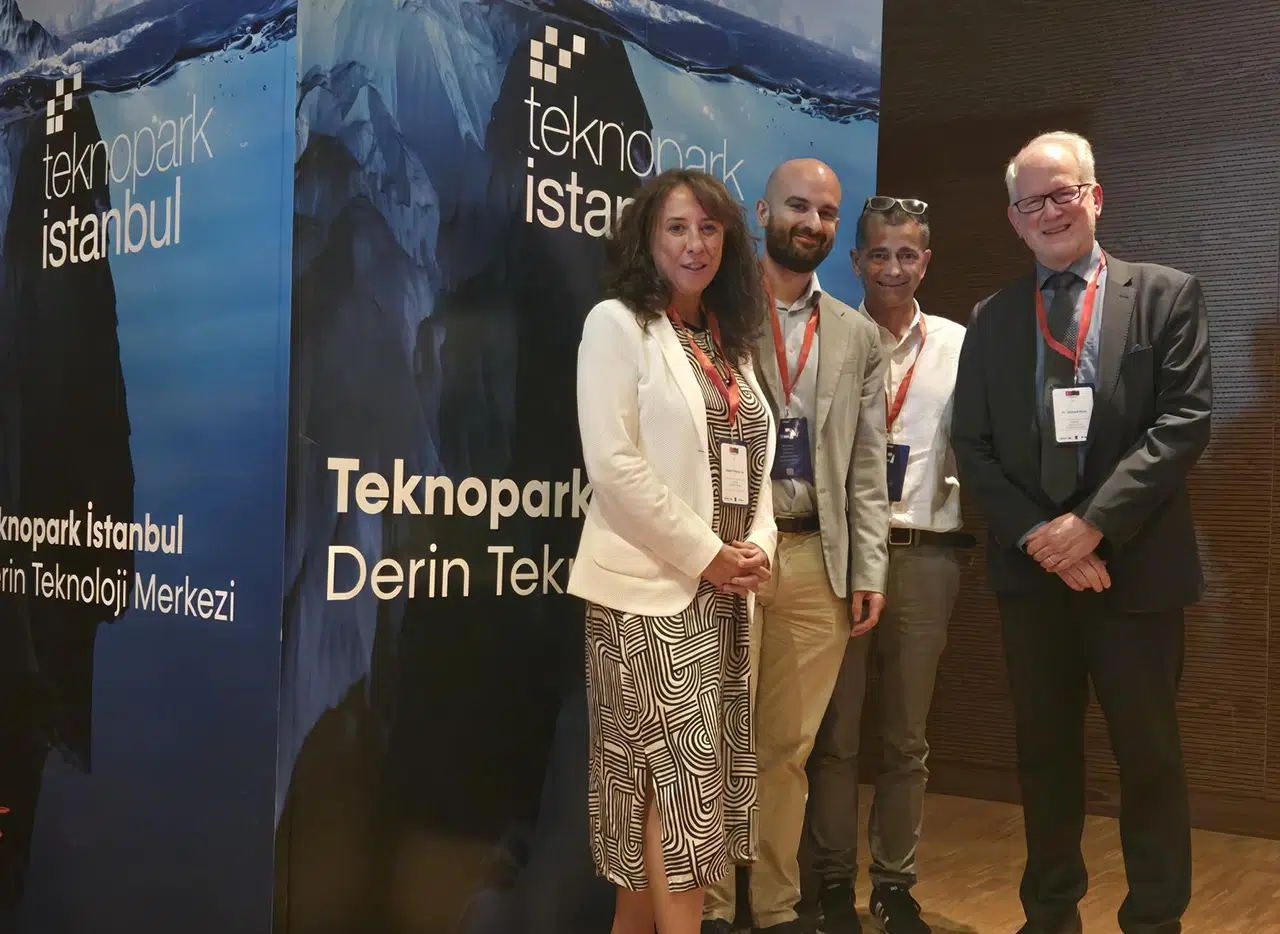
Partners met to align on the work plan and first technical milestones.
-

EHEAT project officially kicks off
The EHEAT consortium gathered on june 11-12 2026 in Bilbao for its kick-off meeting.